If you blinked last week you missed a lot. Anthropic shipped more in seven days than most AI companies manage in a quarter. Here's a rundown of everything that landed, what it actually does and where people in the space have thoughts.
Opus 4.7
Claude Opus 4.7 dropped on April 16th. Anthropic describes it as their strongest model yet for advanced software engineering and complex long-running tasks. The headline improvements:
Vision resolution jumped from 1.15 megapixels to 3.75 megapixels - meaning Claude can now read screenshots, analyse designs and review documents in significantly more detail
It follows instructions more literally than 4.6 did. Good news if your prompts are tight. If they're vague, you'll notice
It self-verifies on long tasks, pausing to check its own output before moving on
Pricing stays the same at $5 per million input tokens and $25 per million output tokens
The community reaction has been mixed in an interesting way. The people getting the most out of it are those who prompt like they're writing a spec - precise, structured, clear. Those still prompting casually are reportedly burning through usage limits faster and seeing less consistent results. The consensus on X and Reddit, according to a 48-hour community snapshot, is that 4.7 is genuinely strong for agentic coding but comes with a real "ambiguity tax" - vague prompts no longer get silently rescued the way they used to.
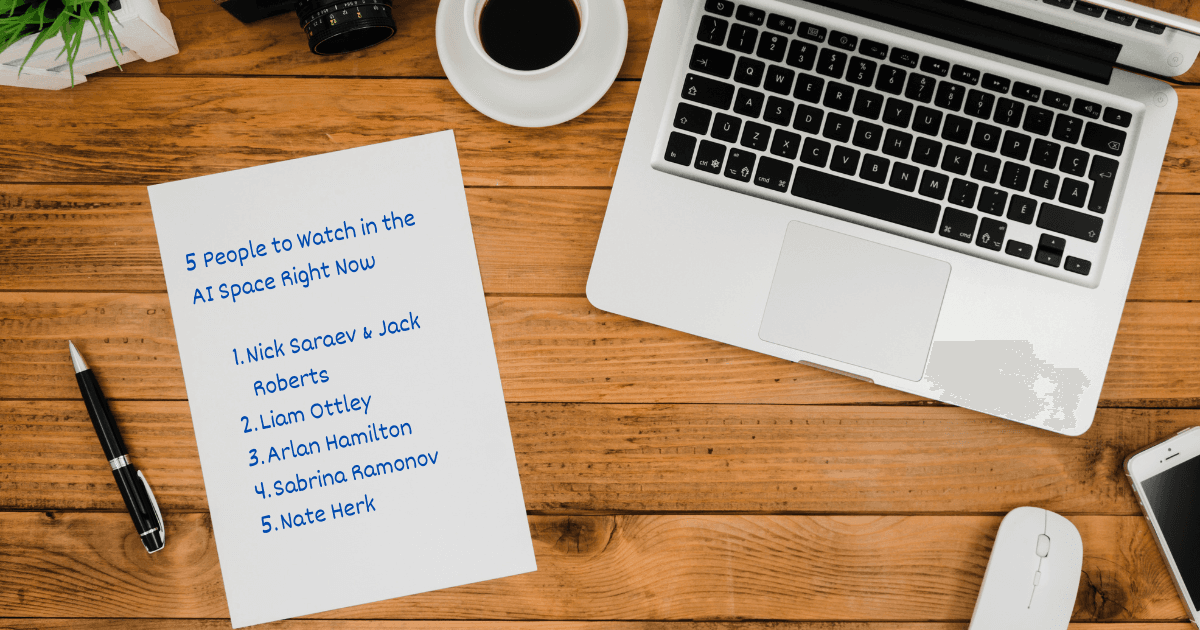
Nate Herk covered the release in depth on his channel, noting the controversy around Opus 4.6 and why Anthropic moved so quickly to replace it. Worth watching if you want the full picture.
Claude Design
Claude Design launched on April 17th as a research preview from Anthropic Labs. It's a visual creation tool that lets you generate prototypes, slide decks, one-pagers and UI mockups directly from text prompts - no design background required.
A few things make it interesting beyond the headline:
During setup, Claude reads your codebase and design files to build a design system for your team. Every project after that uses your colours, typography and components automatically
You can point it at a live website URL and it pulls in the visual elements directly, so prototypes match your actual product
Exports to ZIP, PDF, PPTX, Canva or directly to Claude Code
The market reacted immediately - Figma's stock dropped 7% on launch day, which tells you something about how seriously the industry is taking this. TechCrunch noted that Anthropic positioned it as complementing rather than replacing tools like Canva - and has deepened its Canva partnership as part of the launch. Whether that framing holds up long-term is another question.
Having spent some time with it myself, I think the most honest way to describe Claude Design is this: everything it can do, we could already do with Claude. What we now have is a much better interface around those capabilities - a nicer user experience rather than fundamentally new functionality. That's not a criticism, by the way. A well-designed interface that makes something easier to use is genuinely valuable. But it's worth going in with that expectation rather than expecting something entirely new.
One practical thing I noticed: it burned through usage quickly. Just setting up my design system for Vibe Coding Lab - asking Claude to pull in my brand assets - made a meaningful dent in my weekly allowance. If you're planning to use it seriously, factor that in.
Routines
Routines launched on April 14th as a research preview in Claude Code. The idea is simple: you set up a task once - what you want Claude to do, which project it relates to and what tools it needs - and it runs automatically on a schedule or when a specific trigger happens. It all runs on Anthropic's own servers, so your laptop doesn't need to be switched on.
Some practical examples of what people are using it for:
Every night, Claude checks your project for bugs, attempts a fix and saves it as a draft for you to review in the morning
Every time someone submits a code change, Claude automatically runs through your team's review checklist
After each update to your live product, Claude checks for errors and posts a summary to your team before anyone has even looked at it
For non-technical founders this is significant. It starts to blur the line between AI assistant and AI employee. Work that used to require a developer to set up complex automated systems can now be configured in plain English.
It's also worth watching how Routines develops in relation to tools like Zapier, Make.com and n8n. Those platforms built their businesses on automating repetitive tasks between different apps. Routines is doing something very similar - but with Claude at the centre of every workflow rather than as one of many connected tools. It's early days, but if Routines matures, it could reshape how founders think about automation entirely.
Routines are available on Pro, Max, Team and Enterprise plans - Pro users can run up to five per day, Max users get 15.
The desktop redesign and Dispatch
Anthropic also shipped a significant redesign of the Claude desktop app this month, reorganising it around three distinct modes: Chat, Cowork and Code. The change is more meaningful than a visual refresh. By pulling the terminal, file editor, diff viewer and preview into one window, Anthropic is clearly trying to own the interface developers use to interact with Claude - rather than living inside VS Code or being accessed through third-party platforms.
Cowork mode, which is where most everyday agentic work happens, runs on Opus 4.7 and includes Dispatch - the scheduling and task routing layer that lets you trigger work from your phone or set tasks running while you step away. Dispatch itself isn't new, but the combination of Cowork on Opus 4.7 with computer use now available to Pro and Max users makes the whole setup meaningfully more capable than it was even a month ago.
The direction of travel is clear: Claude isn't just answering questions. It's starting to run things.
The bigger picture
What's striking isn't any single release - it's the pace. Routines on April 14th. Opus 4.7 and Claude Design on April 16th and 17th. That's a significant amount of product shipped in 72 hours.
The honest critique from the community is that the ambiguity tax on 4.7 catches people off guard, and the real-world cost per token runs higher than the headline pricing suggests due to an updated tokeniser. These aren't dealbreakers but they're worth being aware of before you scale anything up.
The direction of travel though? Unmistakably toward a world where Claude isn't just answering questions but running things.
Using Claude Code in your build workflow? Come and share what you're building at Vibe Coding Lab.